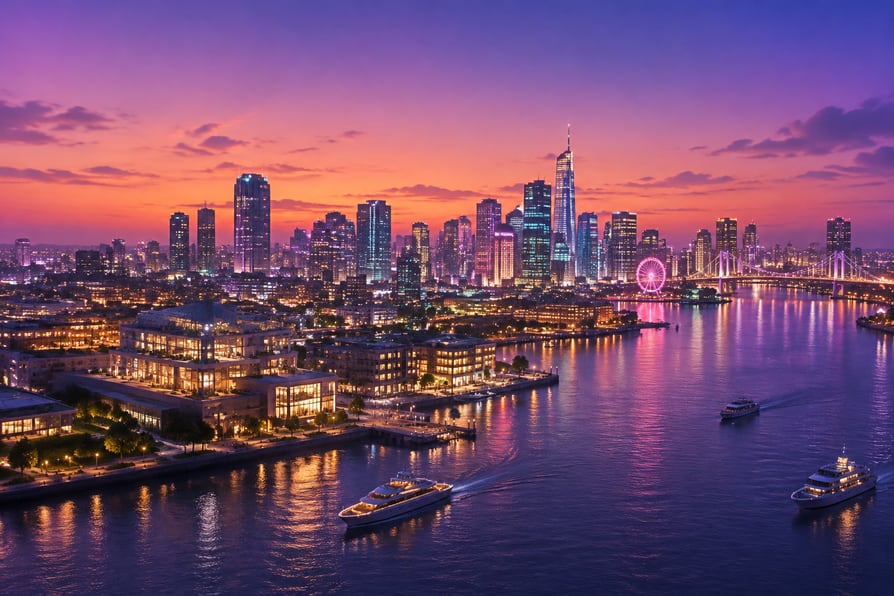
Exploring Vice City becomes easier when you use recognizable locations instead of treating every destination as an unrelated map marker. Players interested in GTA 6 Boosting can also benefit from learning the city’s layout early, since knowing where major areas are located makes general travel and exploration easier to organize.
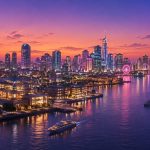
Rockstar has specifically identified Ocean Beach, Little Cuba, the Tisha-Wocka flea market, and VC Port in its official Vice City description. Each location has a different identity, making them useful reference points when exploring the city.
Vice City Locations and Their Distinctive Features
| Location | Confirmed identity | Exploration focus |
|---|---|---|
| Ocean Beach | Art Deco hotels and white sand | Coastal scenery and beachfront surroundings |
| Little Cuba | Busy panaderías | Neighborhood atmosphere and local businesses |
| Tisha-Wocka flea market | Market associated with bootleg brands | Market setting and surrounding streets |
| VC Port | Cruise ship port | Maritime surroundings and port infrastructure |
These descriptions provide reliable ways to recognize the locations. However, Rockstar has not published exact neighborhood boundaries or confirmed travel distances between all four places. Treat them as distinct exploration references rather than assuming they form one connected route.
Use a District Based Exploration Route
Avoid trying to cover every named location during one journey. Instead, organize exploration around one destination at a time.
Ocean Beach: Start with the beachfront setting. Use the Art Deco hotels and white sand as visual references when learning the surrounding area.
Little Cuba: Focus on the neighborhood’s panaderías and surrounding streets. Its local commercial character makes it visually different from the beachfront environment.
Tisha-Wocka: Explore the flea market area and pay attention to its market identity. Rockstar specifically associates this location with bootleg brands.
VC Port: Treat the port as a separate destination. Its confirmed identity as a cruise ship center makes it a useful reference when exploring Vice City’s maritime side.
Driving and Walking Exploration Methods
Use driving to understand the broader surroundings, then slow down when investigating a specific location.
| Exploration stage | What to do | Information to remember |
|---|---|---|
| Initial approach | Travel toward one named destination | Main road and recognizable surroundings |
| Area inspection | Examine the immediate surroundings | Distinctive buildings and landmarks |
| Local exploration | Focus on the selected area | Places worth revisiting |
| Return journey | Use the route you already traveled | Recognizable intersections and turns |
Keep each exploration session focused on one area. Changing destinations too frequently makes it harder to remember useful landmarks and can lead to unnecessary repeat journeys.
Record Locations for Future Visits
A short location log is more useful than vague descriptions. Record the destination, a recognizable nearby landmark, and the direction from which you approached it.
For example:
| Location | Useful note |
|---|---|
| Ocean Beach | Art Deco hotels and beachfront |
| Little Cuba | Panaderías and neighborhood streets |
| Tisha-Wocka | Flea market surroundings |
| VC Port | Cruise ship port environment |
If a location is not clearly identified on the map, mark it as unconfirmed instead of assigning it an assumed name. This prevents inaccurate notes from becoming part of your exploration route.
Vice City’s landmarks make exploration more rewarding, helping players recognize key locations and plan their routes across the map. GTA VI Accounts offer additional options for enjoying the game, complementing the experience of discovering the city’s districts and hidden spots.